The Rails
القضبان
轨道
Wayback, the finale. Dinarak, a welfare fund moved by a single phone call, a credit I never needed — and rails a whole country now runs its money on, that we own, on our own soil.
واي باك، الخاتمة. دينارك، وصندوقُ معونةٍ حرّكته مكالمةٌ واحدة، واعترافٌ لم أحتجه قطّ — وبنيةٌ تُحرّك عليها دولةٌ بأكملها أموالها اليوم، نملكها، على أرضنا.
回溯,终章。Dinarak,一通电话拨动的福利金,一份我从不需要的认可——以及一个国家如今赖以流转资金的轨道,我们自己拥有,建在我们自己的土地上。
Every part of this series has been a version of the same instinct: go to where the future is standing, early, and help it land. This is the last part — and it's the one that brought me home. Not to a place, but to the thing I'd been walking toward my whole life without a name for it.
When I came back to Jordan, I had seen enough of the future to recognise it on sight. And what I saw was simple: everyone was still handing each other cash. Money moved the way it had for a thousand years, while I'd spent years in Canada living inside the other way. So I started — not with a company, but with a conviction and a lot of closed doors. For a long time it was just me, doing the legwork, trying to get people to believe in me and in what I could already see. The company only became real in 2016, when the belief finally turned into money.
I'd learned a hard lesson years before, in New York. At 99dogs we built the technology and poured ourselves into the machine; a company called CafePress focused on the unglamorous things — affiliates, monetization, getting the world to actually pay — and they won. I was not going to make that mistake twice. So I did something a younger version of me would have found painful: I didn't build the software. We bought it, from ProgressSoft, and I put every ounce of energy into the only thing that truly mattered — getting people to use it. Awareness over ego. Adoption over architecture.
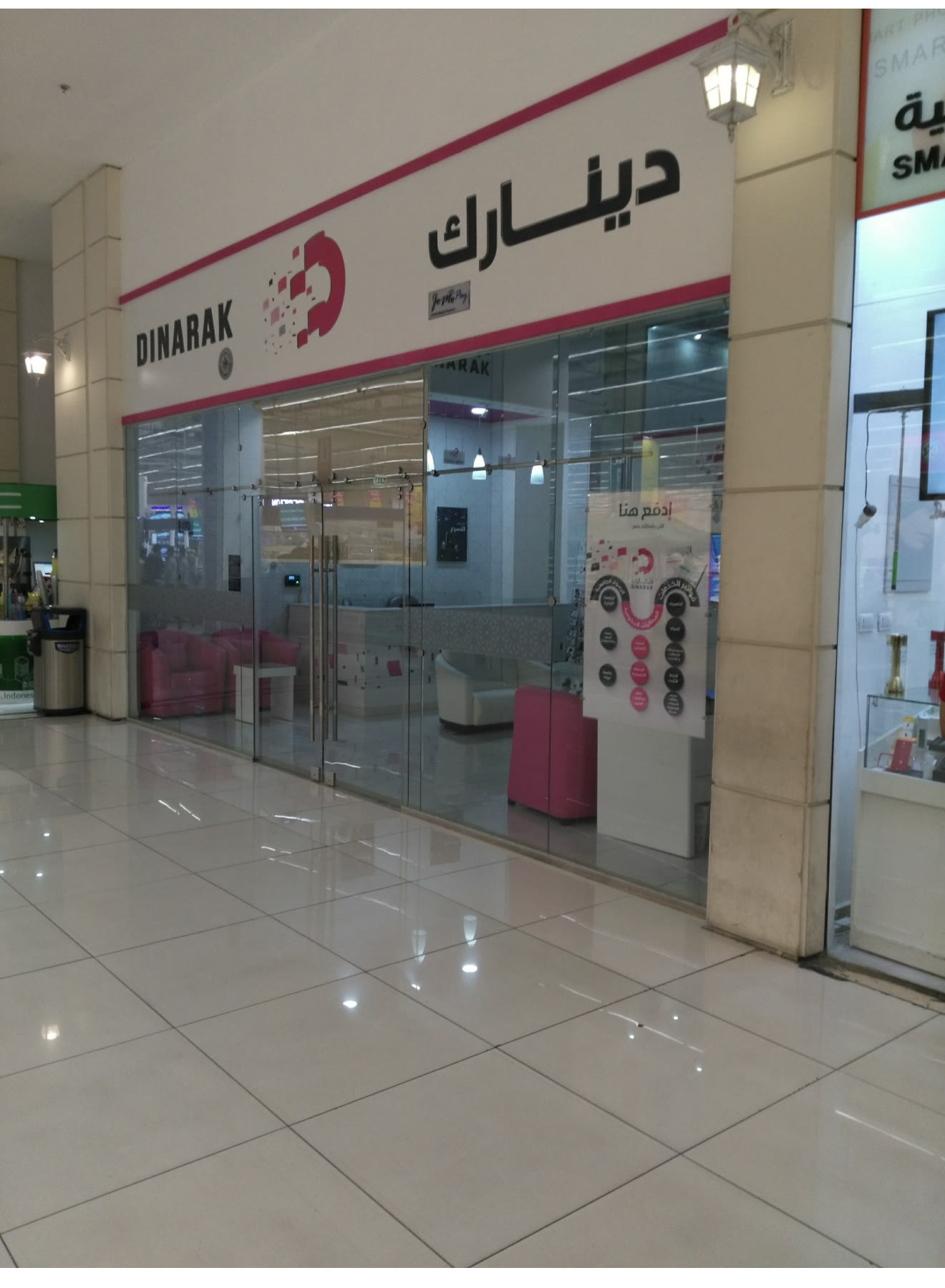
The first believer with a cheque wasn't the kind you'd expect. It was GIZ, the German development agency, and they gave us half a million dollars to start — not in the capital, but in the north. There was a reason for Irbid: it was close to the camps. Part of what those first rails were built to do was put money, with dignity, into the hands of Syrian refugees who had lost almost everything. Our first branch opened in a mall in Irbid; it is still there today. The headquarters were in Amman, but the heart of it started in the north.
I owe a debt I'll name gladly. Jordan Kuwait Bank, and its CEO, stood with us when standing with us was not the obvious thing to do — they issued our cards on the strength of a relationship and a reputation. I have never forgotten it, and I never will.
Then the pandemic came, and with it the moment everything turned. The government had to get the welfare fund into people's hands while the country was locked down, and the default was the old way: go to a bank, collect a cheque, cash it — in the middle of a plague. I believed, truly believed, the payment providers were ready to do it by phone instead. It came down, in the end, to a single phone call. There were reservations on the other side; of course there were. But a minister was willing to make a bold decision, and a senior figure at the Central Bank believed in us, and over that line the call was made. And then it happened the way it had happened in New York, years before, with a toy called .com that nobody believed in: the moment the decision landed, the providers went from insignificant — a curiosity — to the rails a whole country now runs its money on. I don't write this for thanks; none of us were in it for that. Only because the truth deserves saying, and credit deserves giving to the people who were brave when it counted.
I'll say one more true thing, and then let it go. Being the one who builds something and being the one who is remembered for it are not the same. There was a feature, in a magazine I had worked to earn, where the story ran with other people's faces and my own name misspelled. Somehow, of all the facts that got checked, the one that mattered went unchecked. I corrected it, eventually. But it taught me something I've carried since: build for the work, not for the photograph.
By then I had stepped back — a co-founder and a board member, no longer the man running every day. And a dinner changed the next chapter. My friend Bashir — the CEO and CTO of Avertra, and to me a brother and a mentor — introduced me to a gentleman from Singapore; I didn't know, until I looked him up, that he sat near the top of one of the largest technology groups in the world — the company behind Bigo and imo, listed on the Nasdaq. We spoke the same language: not Arabic, not English, but early. For a while they looked at acquiring Dinarak; the diligence ran, the moment passed, the deal didn't close. The friendship did not. One day he asked me, plainly, whether it would be a conflict to work with them. It wouldn't. And that is how a boy with a Sakhr computer ended up, decades later, as the regional voice for a multi-billion-dollar public company — still doing the only thing I've ever really known how to do.
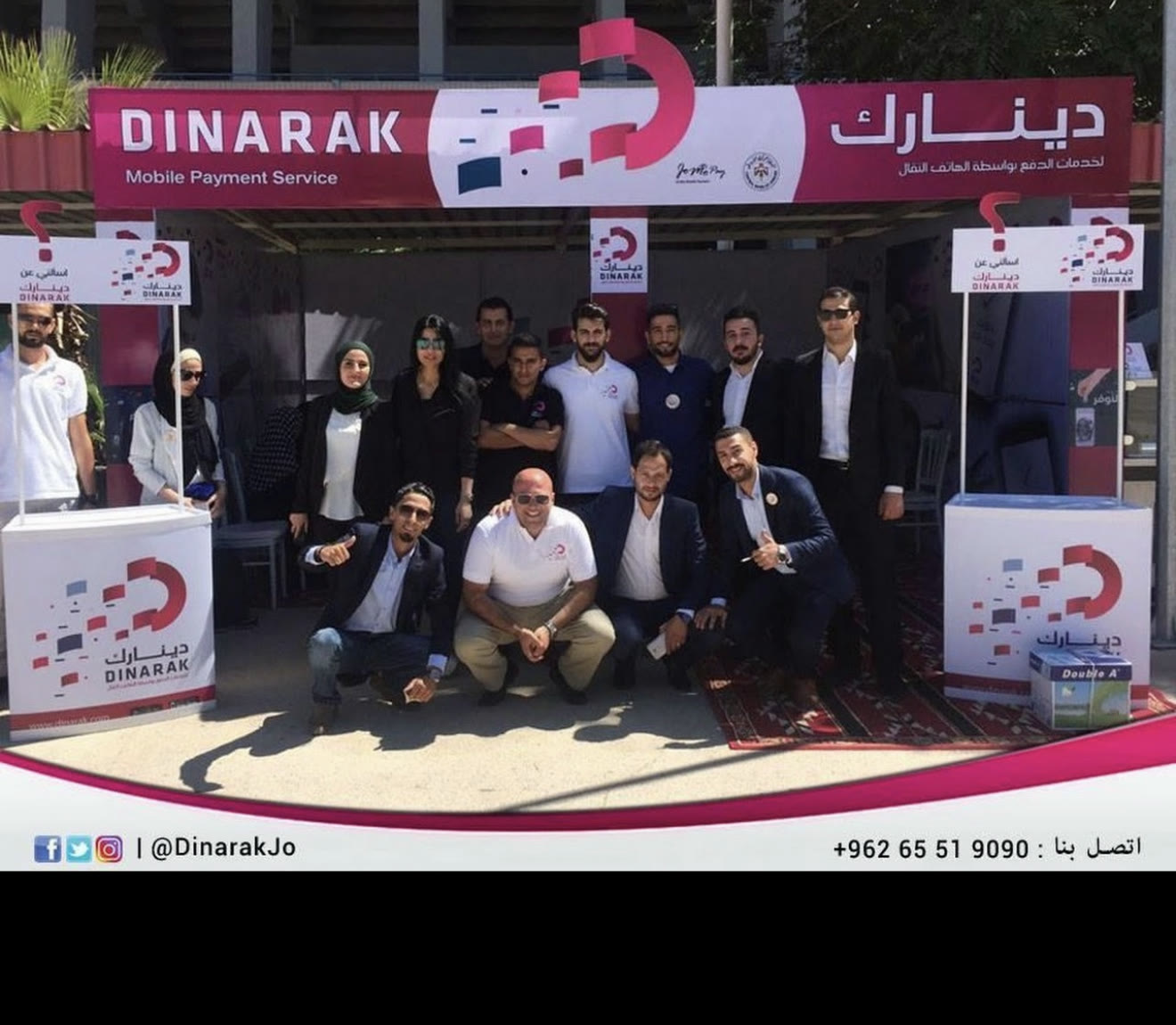
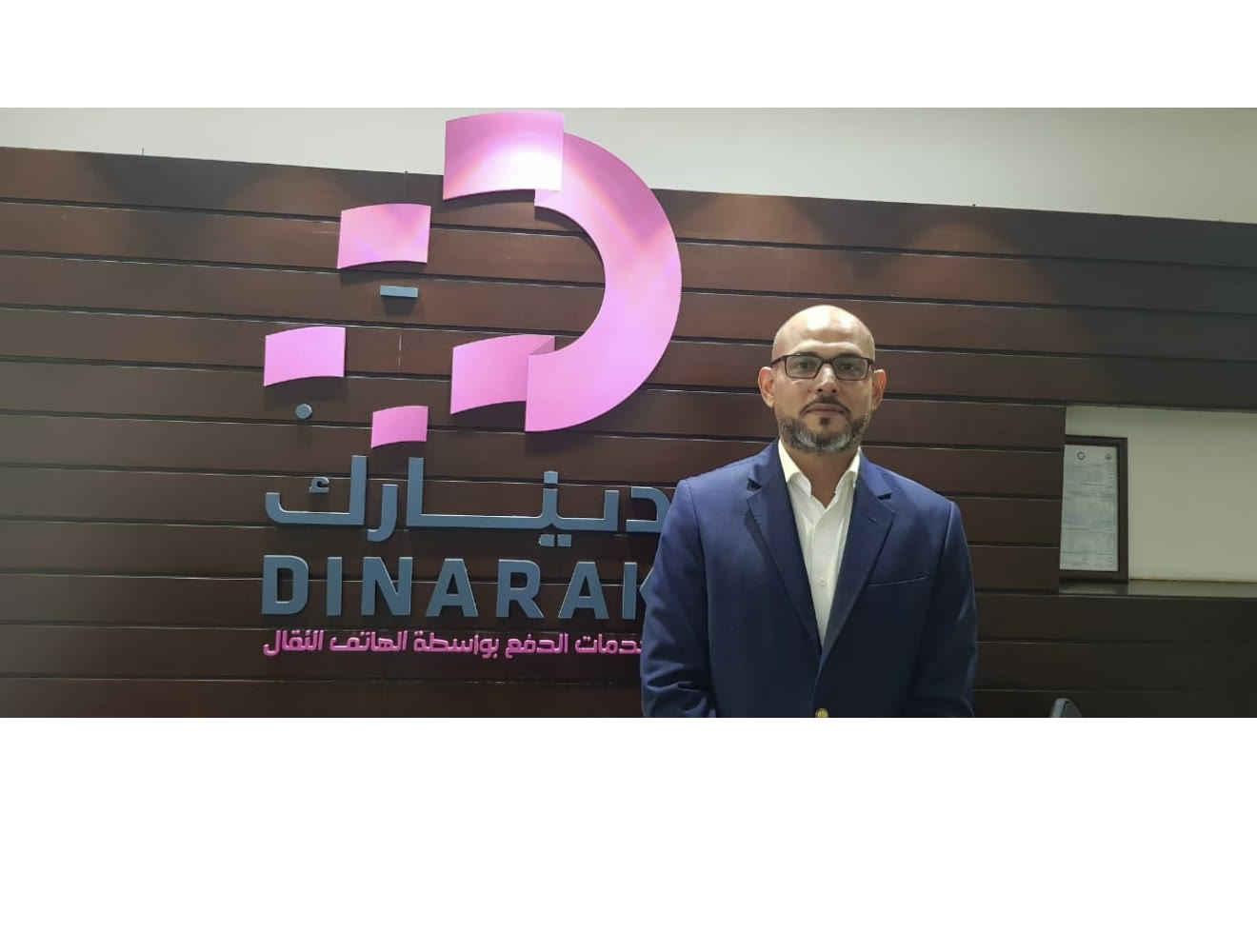
As for Dinarak — it is no longer mine, and in time it stopped being theirs too. It was sold. The partners and the management who had held it moved on, and it passed to new owners, with a new CEO I genuinely wish well. It did not become everything it could have been in those years — these things rarely do when the hands on the wheel are looking at different horizons. But it was a dream and a passion once, and it is still the rails a country moves its money on. I hope its new hands carry it further than we managed to.
Till today, I'll be honest: I feel I never quite got the credit for what we built. But I don't need it. I did it because I believed it would help my country — and that is how I think we should always build. The people who reach for the credit are telling you, quietly, exactly who they are. That's fine. You let it go, you rise again, you keep building, and you never let it get to you.
That's the whole story. A boy, a computer, a modem bill. A hacker in Montreal and a believer from home. A toy called .com, and a room near an airport in Zürich. A driver who just wanted to send a dinar — and rails that a country now runs on, that we own, on our own soil.
It was never a straight line. It never is. And I wouldn't trade a single turn of it. 🇯🇴
■
هذا هو الجزء الأخير — الجزء الذي أعادني إلى البيت. لا إلى مكان، بل إلى الشيء الذي سرتُ نحوه طوال حياتي.
حين عدتُ إلى الأردن، كنتُ قد رأيتُ من المستقبل ما يكفي لأعرفه بمجرّد رؤيته. كان الجميع ما زالوا يتناقلون النقد يدًا بيد، بينما قضيتُ سنواتٍ في كندا أعيش داخل الطريقة الأخرى. فبدأتُ — لا بشركة، بل بقناعة، وبالكثير من الأبواب المغلقة. لوقتٍ طويل كنتُ وحدي، أحاول أن أجعل الناس يؤمنون بما كنتُ أراه بوضوح.
كنتُ قد تعلّمتُ درسي في نيويورك: في 99dogs بنينا التقنية، ومَن ركّزوا على جعل العالم يدفع هم مَن انتصروا. لذا هذه المرّة لم أبنِ البرمجيّات — اشتريتُها، ووضعتُ كلّ جهدي في جعل الناس يستخدمونها. أوّل مَن آمن وقدّم شيكًا كانت الوكالة الألمانيّة للتنمية؛ بدأنا في الشمال، في إربد، قرب المخيّمات، نوصل المال بكرامةٍ إلى أيدي لاجئين سوريّين فقدوا كلّ شيءٍ تقريبًا.
ثمّ جاءت الجائحة، وتبدّل كلّ شيء. كان على الحكومة أن توصل صندوق المعونة إلى الناس في ظلّ الإغلاق. آمنتُ أنّ مزوّدي الدفع جاهزون ليفعلوها عبر الهاتف. تلخّص الأمر في مكالمةٍ واحدة — وزيرٌ تجرّأ على اتّخاذ القرار، وشخصٌ رفيعٌ في البنك المركزيّ آمن بنا. وفي تلك اللحظة، تحوّلت البنية التي تُحرّك عليها دولةٌ بأكملها أموالها اليوم من لعبةٍ لا يصدّقها أحد إلى حقيقةٍ راسخة.
حتّى اليوم، أشعر أنّني لم أنل الاعتراف الكامل. لكنّي لا أحتاجه. فعلتُ ذلك لأنّي آمنتُ أنّه سيساعد بلدي. مَن يمدّون أيديهم إلى الفضل يخبرونك، بهدوء، مَن هم. لا بأس. تتركه يمضي، وتنهض من جديد، وتواصل البناء — ولا تدع ذلك يصل إليك أبدًا.
لم يكن خطًّا مستقيمًا قطّ. وما كنتُ لأبدّل منعطفًا واحدًا منه.
■
这是最后一部——那把我带回家的一部。不是回到某个地方,而是回到我一生都在走向的那个东西。
当我回到约旦时,我已见过足够多的未来,一眼就能认出它。人们仍在手递手地交付现金,而我在加拿大度过的那些年,早已生活在另一种方式里。于是我开始了——不是从一家公司开始,而是从一个信念,和许许多多扇紧闭的门开始。有很长一段时间,只有我一个人,努力让人们相信我早已看见的东西。
我在纽约学到了教训:在 99dogs,我们造出了技术,而真正胜出的,是那些专注于让世界付费的人。所以这一次,我没有自己造软件——我把它买了下来,然后把全部精力投入到让人们去使用它。第一个掏出支票相信我们的,是德国发展机构;我们从北部的伊尔比德起步,靠近难民营,把钱有尊严地送到几乎失去一切的叙利亚难民手中。
然后,疫情来了,一切都转变了。政府必须在封锁之中把福利金送到人们手里。我相信支付服务商已经准备好用手机来做这件事。最终,一切归结为一通电话——一位有勇气做出决定的大臣,和一位相信我们的央行高层。就在那一刻,一个国家如今赖以流转资金的轨道,从一个无人相信的玩具,变成了真实的存在。
直到今天,我仍觉得自己从未真正得到应有的认可。但我并不需要它。我做这件事,是因为我相信它会帮助我的国家。那些伸手去抢功劳的人,正悄悄地告诉你他们是谁。没关系。你放下它,你重新站起,你继续建造——永远不让它影响你。
它从来不是一条直线。而我,不愿交换其中任何一个转弯。
■
Note: Wayback is a personal series — lived memory, told as memory. Named organisations (Dinarak, ProgressSoft, GIZ, Jordan Kuwait Bank, JOYY/Bigo) are matters of public record; individuals are left unnamed by choice. Written in a personal capacity; views my own.
Join the discussion
Thoughtful disagreement welcome. Comments are moderated.
Loading…